Summer Foot Care: Stay Cool, Protected, and Supported

May 1, 2025

As temperatures rise and flip-flops come out in full force, it’s important not to overlook your feet when it comes to summer care. Whether you're heading to the beach, walking around amusement parks, or just enjoying backyard barbecues, your feet need protection and support to keep you moving comfortably all season long.


Ditch the Flat Flip-Flops

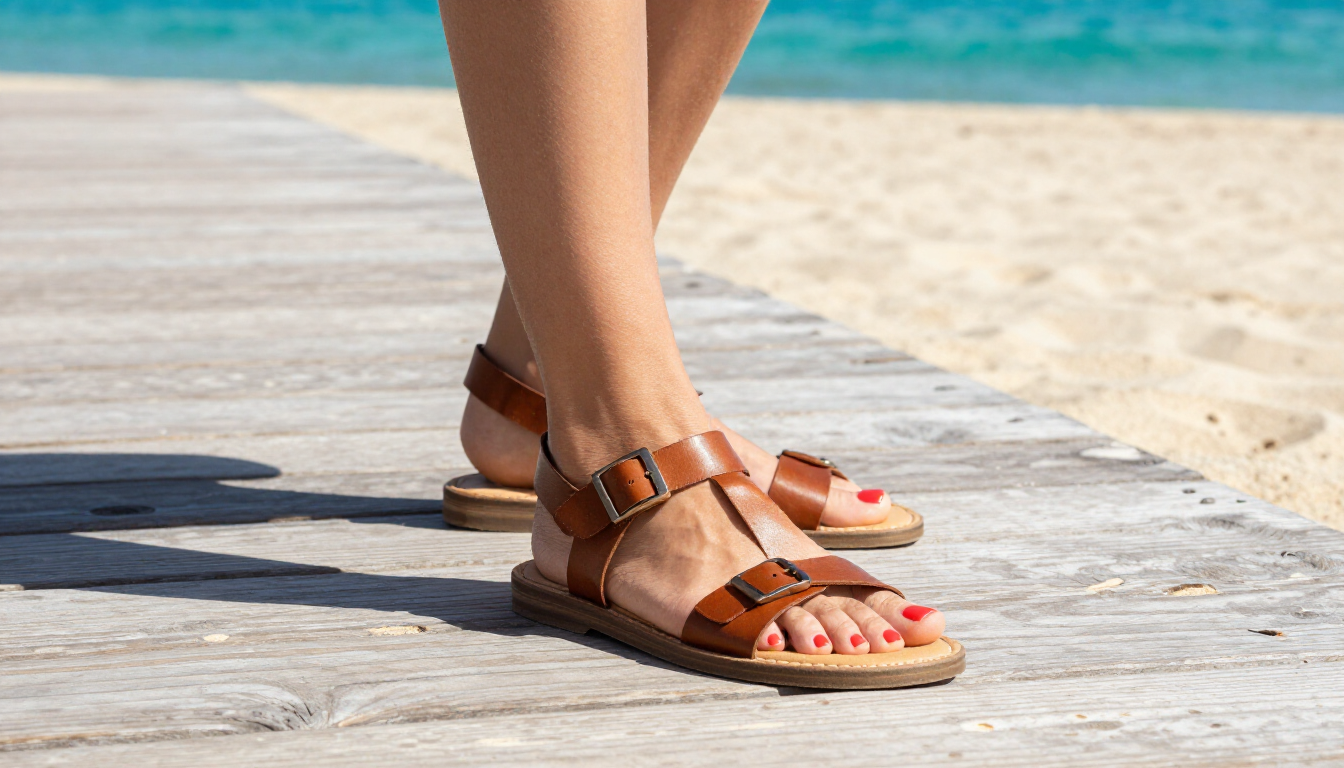
Standard flip-flops may be convenient, but most lack the support your feet need for extended wear. Flat, unsupportive sandals can lead to issues like heel pain, arch strain, and even plantar fasciitis. Instead, opt for flip-flops or sandals with built-in arch support, cushioned soles, and sturdy straps. Brands designed with podiatric support can make a big difference in your comfort and foot health.


Don’t Skip the Sunscreen

It’s easy to remember sunscreen on your shoulders and face—but what about your feet? The tops of your feet are often exposed to the sun during sandal season and are highly susceptible to sunburn. Apply a broad-spectrum sunscreen with at least SPF 30 to the tops, sides, and even between the toes. Reapply regularly, especially after swimming or sweating.


Stay Hydrated & Watch for Swelling

Summer heat can cause your feet and ankles to swell due to fluid retention. Staying well-hydrated helps regulate your body temperature and reduces swelling. If you notice puffiness, try elevating your feet, wearing compression socks, or taking short walks to improve circulation.


Bonus Tips for Summer Foot Health:

  • Always wear shoes or sandals around pools, locker rooms, and public showers to avoid infections like athlete’s foot or plantar warts.
  • Keep your feet dry and clean, especially after being in the water.
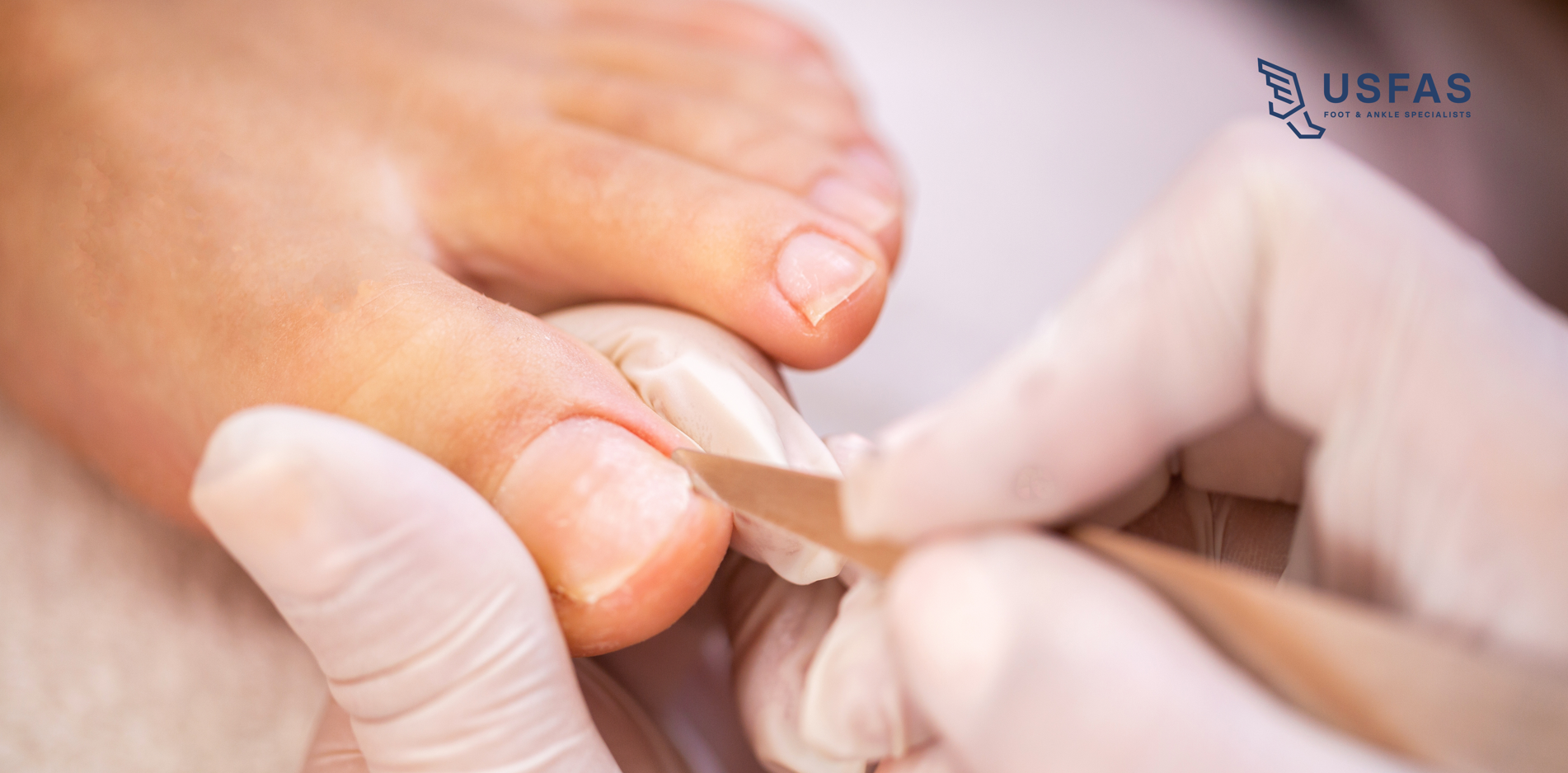
  • Trim toenails straight across to prevent painful ingrown nails, which can be more common in summer footwear.


Treat your feet with the same summer TLC as the rest of your body. With a few smart choices—like supportive footwear and diligent sun protection—you can keep your feet happy and healthy all season long!

December 4, 2025
December is the season of giving, and there’s no better gift than comfort. If you’re looking for something meaningful, helpful, and long-lasting, custom orthotics are a great choice. They support the feet, improve balance, and make everyday activities easier and more comfortable. Why Orthotics Make a Great Gift Many people struggle with foot pain, tired feet, or discomfort when walking or standing. Custom orthotics can help by: Reducing foot, heel, and arch pain Providing better alignment and support Improving comfort during work, exercise, and daily routines Helping prevent future foot problems They are a thoughtful gift for anyone—especially those who stay on their feet all day, enjoy being active, or dealing with ongoing foot issues. How Our Team Can Help Our podiatry team offers: Custom Orthotic Fittings tailored to your foot shape and needs Foot Evaluations to identify pain points and pressure areas Supportive Shoe Recommendations for everyday comfort Ongoing Care for long-term foot health Give Comfort This Christmas If you’re searching for a gift that truly helps someone feel better, custom orthotics are a smart and meaningful choice. Contact our office to schedule an appointment or learn more about how orthotics can bring comfort all year long.
November 7, 2025
November marks National Diabetes Awareness Month , a time dedicated to raising awareness, supporting those affected, and sharing ways to live healthier with diabetes. With diabetes impacting millions of Americans, proactive foot care remains one of the most important—and often overlooked—parts of diabetes management.  Why Foot Health Matters Diabetes can affect the feet in several ways, and early prevention is key. High blood sugar levels may lead to: Nerve damage (neuropathy) that causes numbness, tingling, or loss of sensation Reduced blood flow , slowing the healing process Higher risk of infections, wounds, and ulcers , which can become serious if left untreated Healthy, routine foot care can help prevent complications and support mobility, comfort, and long-term wellness. How Our Podiatry Team Supports Diabetic Foot Health We provide comprehensive diabetic foot care to protect, prevent, and treat foot-related concerns, including: Routine Diabetic Foot Exams Early detection and intervention to address concerns before they become more serious. Custom Orthotics Personalized support to improve balance, relieve pressure points, and enhance walking comfort. Advanced Wound Care Specialized treatment plans for wounds, ulcers, or injuries to promote faster healing and reduce risks. Footwear Guidance Recommendations for proper shoes and inserts designed to prevent irritation, friction, and injury. We’re Here to Help You Stay Healthy Caring for your feet is an essential part of staying active, independent, and healthy with diabetes. Whether you have questions about preventive care, footwear, or treatment options, our podiatrists are here to guide and support you every step of the way. This month is a great time to schedule a diabetic foot check or talk with us about ways to keep your feet protected year-round. Together, we can work toward better foot health and a healthier life with diabetes.
October 3, 2025
If you’ve ever felt sudden pain in your big toe after running, jumping, or pushing off during sports, you may have experienced turf toe . This injury happens when the big toe joint bends too far upward, stretching or tearing the soft tissues that support it.  What Are the Symptoms? Turf toe often causes: Pain and swelling at the base of the big toe Stiffness or limited motion Difficulty walking, running, or pushing off the foot Without proper care, turf toe can become a long-term issue that limits your mobility. How Do We Treat Turf Toe? Our podiatrists start with a careful exam and, if needed, X-rays or imaging to confirm the diagnosis. Treatment depends on the severity of the injury: Mild sprains: Rest, ice, taping, and stiff-soled shoes Moderate sprains: A walking boot, physical therapy, and gradual return to activity Severe sprains: Longer recovery time and, in rare cases, surgery Get Back on Your Feet Turf toe may sound minor, but it can seriously affect your performance and daily activities if left untreated. The good news? With the right care, most people recover fully and return to the activities they love. Our board-certified podiatrists specialize in diagnosing and treating turf toe and other sports injuries. If you’re dealing with toe pain, don’t wait— schedule an appointment today and take the first step toward recovery.
September 9, 2025
As the school year kicks off, most parents are focused on school supplies, lunchboxes, and new routines—but one of the most important back-to-school essentials is often overlooked: a good pair of shoes. Children and teens spend hours on their feet every day—walking through school hallways, running during recess, or playing sports after school. The right footwear doesn’t just offer comfort; it plays a vital role in supporting growing feet, preventing injuries, and setting kids up for a healthy, confident school year. Growing feet are still developing, and wearing shoes that are too tight, worn out, or lacking proper support can lead to common problems like heel pain (including conditions like Sever’s disease), flat feet, ingrown toenails, and joint discomfort. That’s why podiatrists emphasize the importance of choosing footwear that offers a proper fit, arch support, shock absorption, and durability. When shopping for back-to-school shoes, look for pairs that leave about a thumb’s width of space at the toes, fit snugly at the heel, and provide good cushioning for impact. Breathable materials can help prevent excessive sweating, and durable construction ensures shoes can withstand the demands of daily wear. Our doctors recommend checking your child’s shoes every 4 to 6 months, as feet grow quickly and often outpace last season’s fit.  To make shopping easier, our doctors have shared their top recommended brands based on both professional insight and personal experience: Ten Little shoes are great for toddlers and early elementary students, with a foot-shaped design that allows toes to move freely, a built-in sizing guide for at-home accuracy, and flexible soles that support healthy development. New Balance Kids offers wide-width options ideal for children with higher insteps or broader feet, plus supportive midsoles and durable construction to keep up with active kids. Hoka Kids provide lightweight cushioning, structural support, and fun designs—perfect for highly active older children. See Kai Run , Stride Rite , and Asics are also excellent options for younger children and teens, especially those involved in sports or on their feet for long hours. For added support, especially in athletic or high-activity settings, Brooks is another solid choice. If your child begins to complain of foot, heel, or ankle pain, starts walking differently, or if you notice red marks, blisters, or worn-out soles, it’s a good time to check their shoes—and consider a visit to a podiatrist. Early intervention can help prevent more serious conditions and ensure your child stays active and pain-free. This school year, help your child put their best foot forward—literally. Whether you're shopping for the perfect pair of supportive sneakers or looking for guidance on orthotics or foot pain, our team is here to help. Schedule an appointment today to make sure your child’s feet are healthy, supported, and ready for every step of the school year.
August 22, 2025
As the school year kicks off, most parents are focused on school supplies, lunchboxes, and new routines—but one of the most important back-to-school essentials is often overlooked: a good pair of shoes. Children and teens spend hours on their feet every day—walking through school hallways, running during recess, or playing sports after school. The right footwear doesn’t just offer comfort; it plays a vital role in supporting growing feet, preventing injuries, and setting kids up for a healthy, confident school year. Growing feet are still developing, and wearing shoes that are too tight, worn out, or lacking proper support can lead to common problems like heel pain (including conditions like Sever’s disease), flat feet, ingrown toenails, and joint discomfort. That’s why podiatrists emphasize the importance of choosing footwear that offers a proper fit, arch support, shock absorption, and durability. When shopping for back-to-school shoes, look for pairs that leave about a thumb’s width of space at the toes, fit snugly at the heel, and provide good cushioning for impact. Breathable materials can help prevent excessive sweating, and durable construction ensures shoes can withstand the demands of daily wear. Our doctors recommend checking your child’s shoes every 4 to 6 months, as feet grow quickly and often outpace last season’s fit.  To make shopping easier, our doctors have shared their top recommended brands based on both professional insight and personal experience: Ten Little shoes are great for toddlers and early elementary students, with a foot-shaped design that allows toes to move freely, a built-in sizing guide for at-home accuracy, and flexible soles that support healthy development. New Balance Kids offers wide-width options ideal for children with higher insteps or broader feet, plus supportive midsoles and durable construction to keep up with active kids. Hoka Kids provide lightweight cushioning, structural support, and fun designs—perfect for highly active older children. See Kai Run , Stride Rite , and Asics are also excellent options for younger children and teens, especially those involved in sports or on their feet for long hours. For added support, especially in athletic or high-activity settings, Brooks is another solid choice. If your child begins to complain of foot, heel, or ankle pain, starts walking differently, or if you notice red marks, blisters, or worn-out soles, it’s a good time to check their shoes—and consider a visit to a podiatrist. Early intervention can help prevent more serious conditions and ensure your child stays active and pain-free. This school year, help your child put their best foot forward—literally. Whether you're shopping for the perfect pair of supportive sneakers or looking for guidance on orthotics or foot pain, our team is here to help. Schedule an appointment today to make sure your child’s feet are healthy, supported, and ready for every step of the school year.
July 17, 2025
Your feet are the foundation of your entire body — when they’re not properly supported, it can lead to pain not just in your feet, but in your ankles, knees, hips, and back, too. That’s where custom orthotics come in!  What Are Custom Orthotics? Custom orthotics are medical-grade shoe inserts that are specifically designed for your unique feet, gait, and needs. Unlike over-the-counter insoles, custom orthotics are crafted based on a detailed assessment by your podiatrist, ensuring the perfect fit and support for your lifestyle. Who Can Benefit from Custom Orthotics? Custom orthotics can help people with: ✅ Flat feet or high arches ✅ Plantar fasciitis or heel pain ✅ Bunions or hammertoes ✅ Arthritis ✅ Sports injuries ✅ Foot, ankle, knee, hip, or lower back pain caused by poor alignment How Do They Work? Custom orthotics work by redistributing pressure and correcting misalignments, which helps your feet function properly and comfortably. They can also help prevent future problems by providing the support you need with every step. Ready to Feel the Difference? If you’re experiencing foot or lower body pain, custom orthotics may be the solution you’ve been looking for. Schedule an appointment today and let our foot specialists help you step into lasting comfort and support!
June 1, 2025
Every June, we recognize Wound Healing Awareness Month —a time to raise awareness about the importance of timely, specialized care for chronic wounds. For podiatrists, this month serves as a reminder of just how essential foot care is to overall wound healing and long-term mobility. Why Wound Healing Matters Chronic wounds—those that don’t heal within a typical timeframe—affect millions of Americans, especially older adults and people with diabetes, poor circulation, or neuropathy. When these wounds develop on the feet, they can be particularly dangerous due to the constant pressure and potential for unnoticed injury. Without proper care, even a small wound on the foot can escalate into an infection, hospitalization, or—in severe cases—amputation. The Feet Are Often the First to Show Signs Because the feet are farthest from the heart, they’re more susceptible to poor circulation and slower healing. Some common types of foot wounds include: Diabetic foot ulcers Pressure sores Infected cuts or blisters Wounds from poor-fitting shoes or walking barefoot Recognizing and treating these wounds early is essential to preventing complications. Proactive Foot Care = Faster Healing If you’re at risk, these daily habits can help prevent wounds from developing—and support faster healing if they do: Inspect your feet daily. Look for redness, blisters, cuts, or swelling. Avoid walking barefoot, especially on rough or uneven surfaces. Wear well-fitting shoes with plenty of support and cushioning. Keep skin clean and moisturized, but avoid lotion between the toes. Manage blood sugar, blood pressure, and other chronic conditions. Don’t wait to seek help. If a wound isn’t healing, get it checked right away. Our Role in Wound Healing We specialize in wound care and foot health. We offer both preventative foot screenings and advanced treatments, including debridement, offloading solutions, custom orthotics, and more. Our team works closely with patients to manage wounds and improve healing outcomes—often helping avoid more serious interventions. Let’s heal from the ground up. This Wound Healing Awareness Month, take a step toward healthier feet and a faster recovery. If you or a loved one is dealing with a slow-healing wound, contact our office today—we’re here to help.
June 1, 2025
Every June, we recognize Wound Healing Awareness Month —a time to raise awareness about the importance of timely, specialized care for chronic wounds. For podiatrists, this month serves as a reminder of just how essential foot care is to overall wound healing and long-term mobility.
April 10, 2025
Your feet are the foundation of your body, supporting you with every step you take. We understand that maintaining foot health is crucial to your overall well-being and mobility. In honor of April being National Foot Health Awareness Month, this blog explores why foot health should never be overlooked and provides tips for keeping your feet healthy. Why Foot Health Matters The human foot is a complex structure of 26 bones, 33 joints, and over 100 muscles, tendons, and ligaments. This intricate design allows for movements such as walking, running, and jumping. However, it also means that many things can go wrong if not cared for properly. Poor foot health can lead to a range of issues from simple aches and pains to more severe conditions like plantar fasciitis or diabetic neuropathy. Moreover, problems in your feet can affect other parts of your body, including your knees, hips, and back. Tips for Maintaining Healthy Feet Regular Check-ups: Just like regular dentist visits, regular check-ups with a podiatrist, especially during National Foot Health Awareness Month, can help catch foot problems before they become serious. Proper Footwear: Wear shoes that fit well and provide good support. Different activities require different types of shoes – what you wear for running is not suitable for a day at work. Foot Hygiene: Wash your feet daily, dry them thoroughly to prevent infections, and change socks daily. Stay Active: Regular exercise helps keep your feet and body healthy. Remember to stretch your feet and ankles before and after workouts. Manage Your Weight: Extra weight puts additional pressure on your feet, increasing the risk of foot disorders. Common Foot Conditions and Treatments Plantar Fasciitis: Often felt as heel pain, treated with exercises, proper footwear, and sometimes orthotics. Bunions: Misaligned big toe joints that can become swollen and tender. Treatment options include wearing comfortable shoes, pads, and in severe cases, surgery. Diabetic Foot Care: People with diabetes need to take extra care of their feet as poor blood circulation and nerve damage can lead to serious foot problems. We believe in a proactive approach to foot health. Whether you're an athlete, a busy professional, or enjoying retirement, taking good care of your feet is a step toward a healthier life. Celebrate National Foot Health Awareness Month with us and schedule an appointment today to learn how you can better care for your feet and enhance your overall wellness.
March 1, 2025
Bunions are a common foot condition that can cause pain, discomfort, and difficulty walking. They occur when the joint at the base of the big toe becomes misaligned, leading to a bony bump on the side of the foot. While bunions can develop due to genetics, improper footwear, or other factors, the good news is that advancements in podiatric care have made treatment and prevention more effective than ever. If you’re struggling with a bunion, seeing a podiatrist can provide relief and help you regain your mobility.
Show More